
by: dr.Ari Herlina
Introduction Colorectal cancer (CRC) is now one of the leading causes of cancer-related mortality globally. The increase in CRC incidence, especially in developing countries, is directly linked to shifts in modern lifestyles and low-fiber diets. Beyond the complexity of genetic and environmental risk factors, medical science now highlights the central role of gut dysbiosis (microbiota imbalance) as a trigger for chronic inflammation that contributes to carcinogenesis.
Current Therapeutic Challenges Standard treatments—including surgery, chemotherapy, and radiotherapy—often come with a high “biological cost.” Side effects such as radiation enteritis, permanent bowel dysfunction, and drug resistance significantly reduce patients’ quality of life. Therefore, complementary strategies that can mitigate side effects while suppressing cancer progression are urgently needed.
Probiotic Protection Mechanisms: Layered Defense Probiotics work not only to facilitate digestion, but also to create an “anti-cancer” microenvironment through specific mechanisms:
- Pathogen Adhesion & Exclusion Competition: Probiotic strains compete with harmful bacteria to attach to the intestinal mucosa, preventing the colonization of cancer-triggering pathogens.
- Production of Bioactive Metabolites (SCFA): Fermentation of fiber by probiotics produces Short-Chain Fatty Acids, especially Butyrate. Butyrate is known to trigger apoptosis (cell death) in cancer cells and maintain the integrity of healthy intestinal cell DNA.
- Carcinogen Detoxification: Some strains can bind or degrade carcinogenic compounds (such as nitrosamines from processed meat) before they are absorbed by the body.
- Immune Modulation: Reduces levels of pro-inflammatory cytokines that fuel tumor growth.
Critical Issue: Strain Is Key (Strain-Specificity) The effectiveness of probiotics in oncology is not universal. The clinical benefits of probiotics are highly dependent on strain specificity.
- Variation in Effects: A strain of Lactobacillus rhamnosus GG may be effective for post-radiation diarrhea, while Bifidobacterium longum may be superior in systemic immune modulation.
- Determining Factors: The success of therapy is influenced by dosage, duration, and interaction with the patient’s native microbiota.
Towards Precision Therapy: Personalized Probiotic Screening Given that “one probiotic does not fit all,” the future approach to CRC therapy must be based on personalized evidence. Before supplementation, it is highly recommended to perform Personalized Probiotic Screening. The goal is to identify the patient’s specific microbiota profile, so that doctors can prescribe the right strain—whether for preventive purposes in high-risk individuals, or as adjuvant therapy to reduce chemotherapy toxicity.
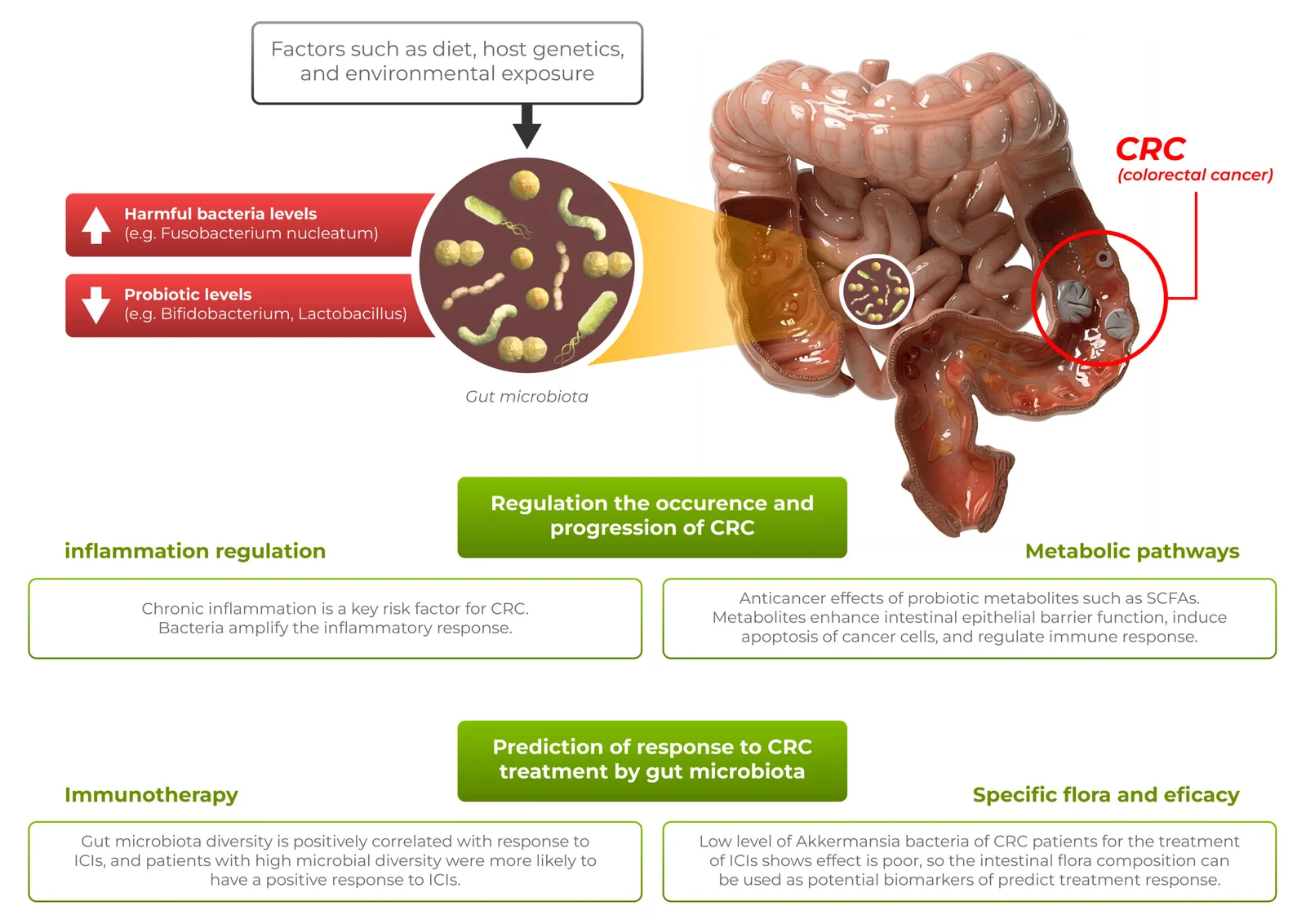
Conclusion Probiotics offer great potential as protective agents and adjunctive therapies in Colorectal Cancer management. However, their success is highly dependent on the accuracy of strain selection. The integration of personalized microbiota screening and the use of specific strains is expected to become the new standard for optimizing clinical outcomes and quality of life for CRC patients.
References Sivamaruthi BS, Kesika P, Chaiyasut C. The Role of Probiotics in Colorectal Cancer Management. Evid Based Complement Alternat Med. 2020 Feb 14;2020:3535982. doi: 10.1155/2020/3535982.